Could filing for bankruptcy keep you in your home? Click to learn more about the impact of filing for bankruptcy on eviction notices.
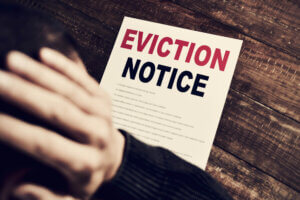 Evictions are scary, as is the process of declaring bankruptcy. If you are facing either one of these situations, you are probably wondering how they affect each other.
Read our guide to learn more about how the two topics intertwine.
What Is Bankruptcy?
Bankruptcy, also known as involuntary bankruptcy, is a legal process that allows you to file for debt relief if you are unable to pay off your debts. It lets you escape the problems of owing a lot of money and being unable to do anything about it. You can file for bankruptcy online in a number of ways.
As the name implies, bankruptcy is the process of dealing with debts that you can’t pay. Bankruptcy is set up in a way that allows you to avoid losing some of your assets, such as your home. While it is generally possible to keep all of your possessions and/or money, you may lose certain pieces of property.
Most creditors will not stop trying to collect from you once your bankruptcy is finalized, so it is helpful to seek the guidance of a bankruptcy attorney before filing to see if you can keep your home and other assets. A lawyer can also advise you on your options.
What Are Evictions?
Eviction is the process of legally removing someone from a house or apartment. It’s often the result of a court order that is sent to the current owner. However, it can also happen when you, or your property manager, believe thata tenant is in breach of their lease agreement.
Evictions are often traumatic events for the tenant. They can also cause financial hardships. This is why you need to keep in mind that your current financial state could increase your chances of eviction.
On top of leaving you without a place to live, an eviction can also wreak havoc on your financial life. Moving forward after an eviction is challenging but doable.
When Can an Eviction Be Included in Bankruptcy?
First, we need to understand when bankruptcy and evictions overlap. Evictions have always been listed on the Personal Bankruptcy of the United States. Generally, a person must make a bankruptcy filing before the judge can consider their case to be a part of the bankruptcy proceedings.
For example, if you are going through bankruptcy and you owe more than $10,000 on a mortgage, your property will undergo a real estate auction, which will take place at the same time as your bankruptcy case.
During the foreclosure proceeding, you cannot file for bankruptcy on the mortgage. You must wait until your bankruptcy case is over. When the case is over, you can then declare your mortgage to be included in the bankruptcy case.
Evictions can impact these cases both in scope and duration. How an eviction impacts your bankruptcy case may also depend on state and local laws. A lawyer who has experience in this branch of the law can offer you their insights on the matter. For example, a bankruptcy attorney in Omaha would know the laws specific to Nebraska.
Common Causes of Bankruptcy
There are many causes of bankruptcy including:
Unpaid Loans
Loan defaults are common causes of bankruptcy, especially in the mortgage and credit card sectors. If you were too busy to keep track of your loan payments, then you could end up in bankruptcy.
Medical Debt
When you are battling a debilitating medical condition, it is easy to let a medical bill go unpaid. Of course, if you cannot pay the bill, you may have no other choice. However, if you depleted your finances in this situation, you might have no other choice than to file for bankruptcy.
Loss of Employment
Job loss is another common cause of bankruptcy. When combined with other unfortunate life events, losing a job may cut off a person’s sole source of income. This can quickly spiral out of control, leading to bankruptcy.
What Can I Do if I Have Been Evicted or Have Been Served a Bankruptcy Notice?
If you have been facing eviction, and your family is homeless, you are not alone. Eviction is more common than you may think. Most evictions have come as a result of foreclosures, short sales, and other means of taking a home or a business.
Filing for bankruptcy is a complicated process, so what can you do if you are facing an eviction notice? First off, be sure you keep all of your documentation, like lease contracts, proof of income, home payments, and any other documents that can help with your bankruptcy case.
Although you should contact the management office at your apartment building to find out what they have planned, there are a few things you can do right away. The first thing you should do is contact an attorney. Not only will they give you tips on how to proceed, but they can also negotiate your case with the management company.
Getting Back On Your Feet After Bankruptcy
Repairing your life after bankruptcy may be tough, but it is not impossible. There are lots of things you can do right away to begin rebounding after bankruptcy. For example, you can use services to monitor your credit report, report all on-time payments that you make, and begin to learn from your previous missteps.
Find Help When Dealing With an Eviction or Bankruptcy
Bankruptcy comes at a high cost. Evictions can also complicate things further. But when you use the right bankruptcy lawyer, the process can be much smoother.
Do you want to learn more about bankruptcy and eviction issues? Contact us at 402-415-2525 to find out more.